

Few names in conservation carry the weight of the Serengeti. Spread across northern Tanzania, Serengeti National Park is a UNESCO World Heritage Site and one of the most biodiverse landscapes on Earth. Its grasslands, woodlands, rivers, and rocky outcrops support lions, elephants, leopards, giraffes, and some of the largest herds of grazing animals anywhere. A Serengeti National Park safari is the centrepiece of many Tanzanian itineraries, but the park is enormous, and the experience depends on where you go, when you travel, and how you plan. This guide covers the park’s regions, wildlife, activities, seasons, accommodation, and practical steps for a well-organised trip.
About Serengeti National Park
The park covers roughly 14,750 square kilometres, an area comparable to a small country, and forms the heart of a much larger ecosystem that includes the Ngorongoro Conservation Area, neighbouring game reserves, and Kenya’s Maasai Mara. It was established as a national park in 1951 and inscribed as a World Heritage Site in 1981.
The name is widely linked to the Maa word siringet, often translated as “the place where the land runs on forever.” The description fits. Open plains stretch to the horizon, broken by granite outcrops known as kopjes, acacia woodland, and rivers lined with forest. This variety of habitats explains the park’s remarkable wildlife diversity and why each region feels like a different safari.
Understanding the Serengeti’s Regions
Choosing the right area is the most important planning decision, because driving distances inside the park are long.
Central Serengeti (Seronera). This is the park’s most accessible hub and a reliable area for year-round game viewing. The Seronera River valley attracts predators, and leopards are often spotted resting in sausage trees. Because it is central, it also receives the most visitors.
Southern Serengeti and Ndutu. Characterised by short-grass plains, this region is known for calving season in the early months of the year. Predators are abundant, and the open terrain makes sightings easy.
Western Corridor and Grumeti. Riverine woodland, crocodile-filled waters, and diverse birdlife define this area. It offers a different atmosphere from the open plains and often has fewer vehicles.
Northern Serengeti (Kogatende and Lobo). Remote and scenic, the north is famed for dramatic Mara River crossings during the dry season. It is quieter in general, with rolling hills and stunning landscapes.
Ikoma and the north-western side. Quieter and steeped in local history, this area suits travellers who value solitude and space over the busiest hubs.
Many itineraries combine two regions to see more variety, such as the central Serengeti plus the north or west.
Wildlife You Can Expect to See
The Serengeti is best known for the Great Migration, in which over a million wildebeest, along with zebra and gazelle, move in a continuous cycle through the ecosystem. But the park’s resident wildlife makes it a worthwhile destination in every month.
- Lions: The park supports one of Africa’s largest lion populations, and prides are frequently seen on kopjes and across open plains.
- Leopards: Elusive but regularly spotted in the Seronera area, often in trees.
- Cheetahs: The open grasslands give these fast hunters room to chase prey, making sightings especially rewarding.
- Elephants, buffalo, and giraffes: Common across woodland and savannah areas.
- Hippos and crocodiles: Found in rivers and pools, particularly in the western and northern regions.
- Rhinos: Present but rare and heavily protected, so sightings are a special bonus.
- Smaller species: Hyenas, jackals, servals, hyraxes, and countless others.
Birdwatchers will also find plenty to enjoy, with hundreds of species recorded, from raptors and vultures to colourful rollers, bee-eaters, and the impressive secretarybird.
Safari Activities in Serengeti National Park
Game drives. The classic Serengeti experience takes place in a 4×4 vehicle with a pop-up roof, led by a trained driver-guide. Early mornings and late afternoons are generally best because animals are more active and the light is soft. Many operators offer full-day drives with picnic lunches, giving you extended time in prime areas.
Hot air balloon safaris. Floating over the plains at dawn offers a completely different perspective. Flights typically operate from the central Serengeti and finish with a champagne breakfast in the bush. They are weather dependent and usually booked in advance.
Walking and cultural experiences. Some areas outside the main park boundaries allow guided walks, and cultural visits to Maasai communities in the wider ecosystem add human context to the landscape. Choose community-led experiences that deliver fair benefits to local people.
Photography. The Serengeti is a dream for photographers. Open vistas, dramatic skies, and abundant wildlife offer countless opportunities, especially when you book extra days and a flexible schedule.
The Best Time for a Serengeti Safari
The Serengeti can be visited year-round, and each season has its own character.
- June to October (dry season): Wildlife concentrates around water, vegetation thins, and visibility improves. This is peak season, particularly for northern river crossings, so expect higher demand and prices.
- November to December: Short rains refresh the landscape and attract migratory birds. Crowds are lighter.
- January to March: Calving season in the south, with newborns and active predators. The landscape is green and photogenic.
- April to May: The long rains bring lush scenery, low rates, and quiet roads, though some camps close and certain tracks become challenging.
If you want classic dry-season viewing, book several months ahead. If you value quiet and good value, the green months reward flexible travellers.
Where to Stay: Lodges and Tented Camps
Accommodation inside or close to the park saves hours of driving and puts you in the middle of the wildlife.
Lodges typically offer larger buildings, more rooms, and full facilities, which suits travellers who enjoy resort-style comforts. Tented camps use canvas suites with proper beds and private bathrooms, delivering a more immersive atmosphere while still providing comfort. Mobile and seasonal camps relocate to follow the herds, putting guests close to the action at specific times of year.
Your budget and travel style will guide the choice, from simple budget lodges to refined luxury camps. If you prefer a peaceful, nature-focused stay, a tented camp in a quieter part of the park can be ideal. Serengeti House of Nature, for example, offers eco-friendly tented suites in the Ikoma region, with options for singles, couples, and families, plus free Wi-Fi in rooms and common areas and breakfast included.
How to Get to the Serengeti
Most visitors arrive via Arusha, the safari capital of northern Tanzania, near Kilimanjaro International Airport. From there, you can reach the park in two main ways.
By road. A scenic drive via Lake Manyara or Tarangire and the Ngorongoro area takes a full day, and many travellers turn the journey into a safari by stopping at other parks along the way. It is an affordable and rewarding option.
By air. Light aircraft fly from Arusha and other airstrips to landing strips within the Serengeti, saving time and offering spectacular aerial views. It costs more but suits travellers with limited time.
Road conditions and flight schedules can change, so confirm details with your operator.
Costs and What Influences Them
The price of a Serengeti safari depends on several factors: the season, accommodation level, trip length, group size, and transport choice. Park entry fees make up a significant portion of the total, and they apply daily, so longer stays cost more. Exact fees and rates are updated periodically, so request a current written quote rather than relying on older figures. Always ask what is included, such as meals, drinks, transfers, guide services, and park fees, so you can compare offers accurately.
Practical Planning Tips
- Allow enough time. Three to five nights in the Serengeti lets you explore beyond a single region and increases your chances of memorable sightings.
- Choose an experienced operator. A skilled driver-guide knows animal behaviour, tracks, and current wildlife movements. Companies based in Arusha, such as Sumbi Extra Miles Safari, understand local conditions and can tailor itineraries around your interests.
- Pack smart. Bring neutral-coloured layers, a warm jacket for early mornings, a wide-brimmed hat, sunscreen, binoculars, and a camera with spare batteries.
- Check health and entry requirements. Confirm visa rules, vaccination guidance with a healthcare provider, and insurance coverage before departure.
- Respect the wildlife. Keep your distance, stay quiet, and follow park rules and your guide’s instructions.
- Combine destinations. Pair the Serengeti with Ngorongoro Crater, Tarangire, Lake Manyara, a Kilimanjaro climb, or Zanzibar for a rounded trip.
Conclusion
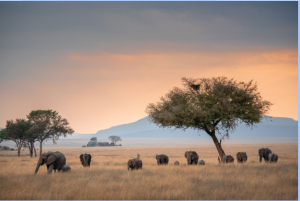
A Serengeti National Park safari offers wildlife viewing on a scale and variety that few places can match. From the predator-rich plains of the south to the river crossings of the north and the quiet beauty of the west, each region tells a different story. The key to a successful trip is matching your interests to the right area and season, staying long enough to explore, choosing accommodation that fits your style, and travelling with a knowledgeable operator. Plan thoughtfully, stay flexible, and the Serengeti will deliver an experience you will remember for the rest of your life.
Key Takeaways
- Serengeti National Park covers about 14,750 square kilometres and is a UNESCO World Heritage Site.
- The park has distinct regions, including Seronera, the south and Ndutu, the Western Corridor, the north, and the Ikoma area.
- Resident wildlife includes lions, leopards, cheetahs, elephants, giraffes, and hundreds of bird species.
- June to October is peak dry season, while January to March suits calving season viewing.
- Allow at least three to five nights to experience more than one region.
- Reach the park by road via Arusha or by light aircraft for faster access.
- Choose an experienced local operator and confirm inclusions in writing.
Frequently Asked Questions
What is the best time to go on a Serengeti safari?
June to October is best for classic dry-season wildlife viewing, while January to March is ideal for calving season. April, May, and November offer quieter conditions and lower rates.
How many days do I need in the Serengeti?
Three to five nights is ideal for most travellers. Longer stays allow you to explore multiple regions and improve your chances of seeing special moments.
Can I see the Big Five in the Serengeti?
Lions, leopards, elephants, and buffalo are regularly seen, while rhinos are present but rare and difficult to spot.
How do I get to Serengeti National Park?
Most travellers arrive via Arusha, then continue by road or by light aircraft to an airstrip inside the park.
Is the Serengeti suitable for families?
Yes. Many camps and operators welcome children and offer family-friendly itineraries. Check age requirements for activities and plan shorter driving days for young travellers.
Is the Great Migration visible year-round?
The herds are always moving within the Serengeti ecosystem, so migration-related viewing is possible throughout the year, though the location and type of action change with the seasons.
Should I stay in a lodge or a tented camp?
It depends on your preference. Lodges offer more facilities, while tented camps provide a more intimate, immersive atmosphere with comfortable suites.
How far in advance should I book?
For peak season from June to October and the Christmas period, book several months ahead. Green-season trips can often be arranged with shorter notice.